
STL Neighborhood Branding Battle: Which Districts Won the Identity Game?
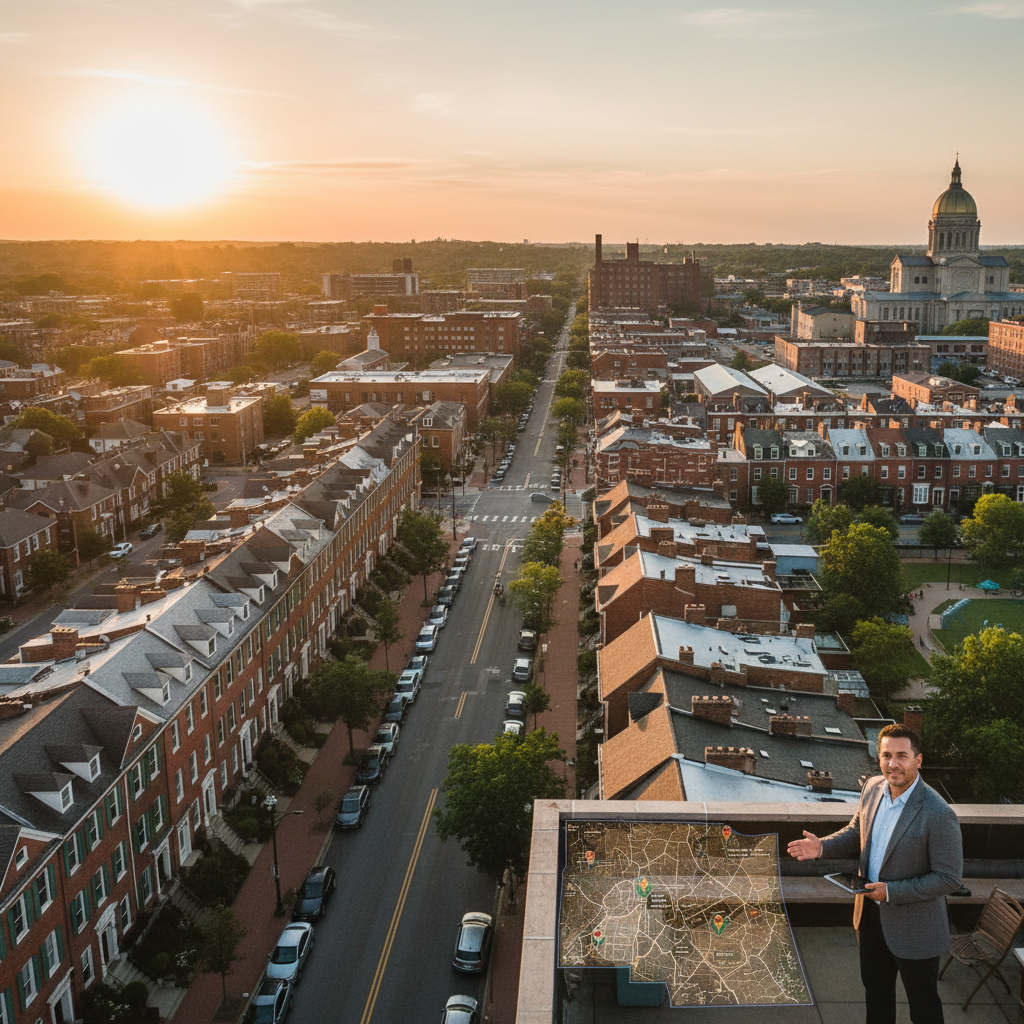
Walk through Cherokee Street versus The Hill versus Central West End, and you're seeing three completely different approaches to neighborhood identity branding STL. Each district took a distinct path to digital mapping their cultural heritage, and the results speak volumes about what actually works in our city's competitive landscape.
At St Louis Near Me Directory, we've analyzed the digital presence strategies of St. Louis's most successfully branded neighborhoods to understand which approaches drive measurable community engagement and economic growth. The data reveals surprising patterns about cultural heritage SEO that most districts still miss.
The Three Kings: Cherokee Street, The Hill, and Central West End
Let's break down the heavyweight champions of STL neighborhood branding and see what separates the winners from the also-rans.
Cherokee Street: The Authentic Culture Amplifier
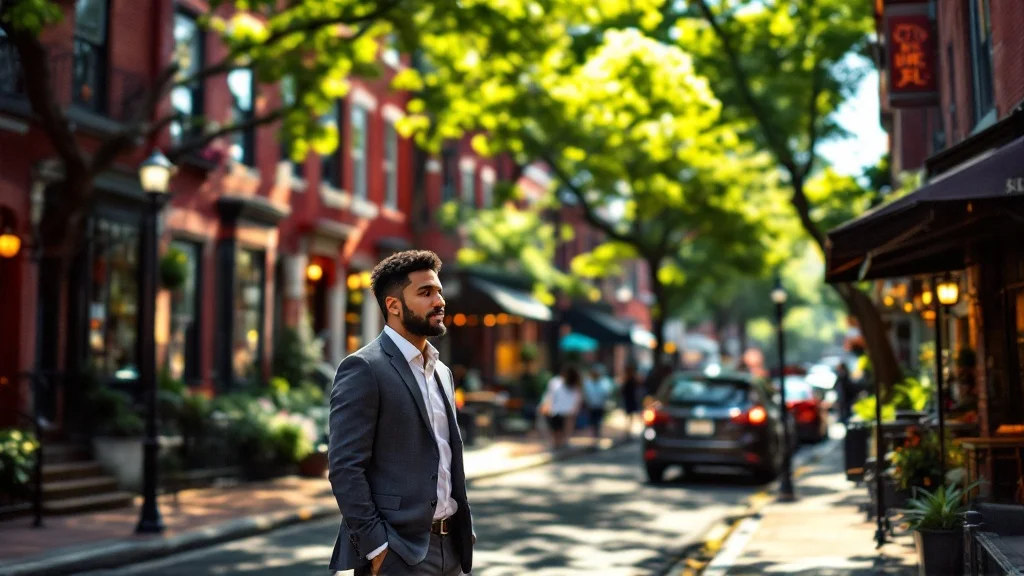
Cherokee Street built its brand around authentic Latino culture and arts accessibility. Their digital strategy focuses on event-driven content marketing, with regular updates about art walks, music venues, and cultural celebrations. The neighborhood's website prioritizes bilingual content and features interactive maps showing murals, galleries, and local businesses.
Key Strategy: User-generated content from local artists and community members drives their social media presence. Every festival, every new mural, every small business opening gets documented and shared across platforms.
SEO Focus: Long-tail keywords like "Cherokee Street art walk St Louis" and "Latino restaurants Cherokee Street" dominate their content strategy. They've captured the entire "authentic St. Louis culture" search territory.
The Hill: Heritage Tourism Mastery
The Hill took a different approach, building their brand around Italian-American heritage and food tourism. Their digital mapping strategy connects historical sites with current businesses, creating a narrative that flows from past to present.
Key Strategy: Every restaurant, every market, every cultural landmark gets tied back to the neighborhood's immigration history. Their content calendar revolves around Italian holidays and local food events.
SEO Focus: They own search terms like "authentic Italian St Louis" and "Italian restaurants The Hill." Their Google Business Profile optimization includes historical photos and heritage storytelling.
Central West End: Upscale Lifestyle Positioning
Central West End positioned itself as St. Louis's sophisticated cultural district. Their brand emphasizes walkability, arts venues, and upscale dining, targeting young professionals and empty nesters.
Key Strategy: Professional photography showcases the neighborhood's architectural beauty and cultural amenities. Their social media focuses on lifestyle content rather than individual businesses.
SEO Focus: Keywords like "walkable neighborhood St Louis" and "cultural district Central West End" drive their organic traffic. They've captured the luxury lifestyle market segment.
Digital Mapping Approaches That Actually Work
The most successful STL neighborhoods use three distinct digital mapping strategies, each serving different community goals and target audiences.
Interactive Heritage Maps (The Hill Model)
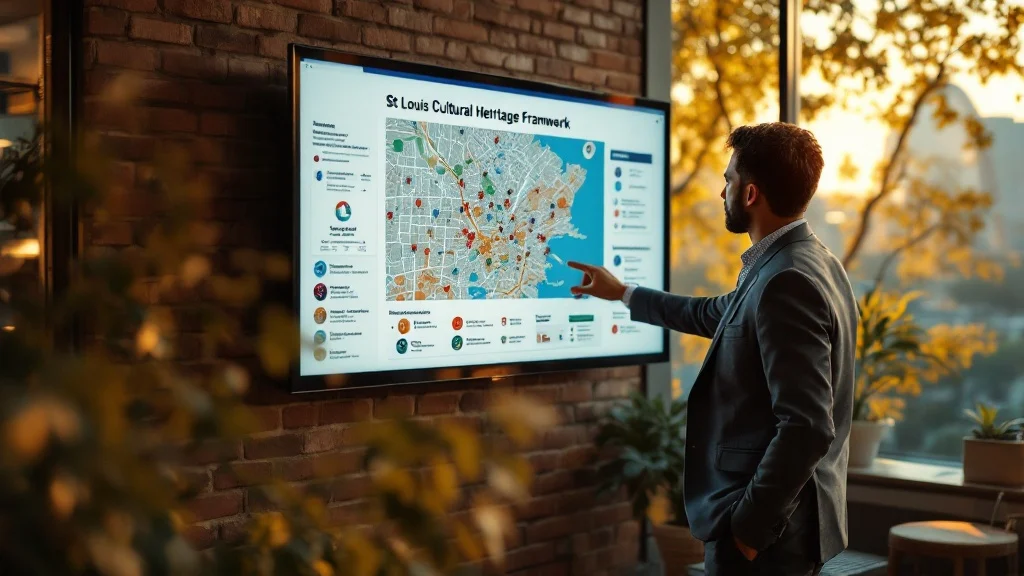
The Hill created digital maps that layer historical information over current business locations. Users can click on any restaurant or market to learn about the families who founded it and their immigration stories. This approach drives longer website sessions and higher engagement rates.
Our team at St Louis Near Me Directory has seen similar success when businesses connect their current operations to neighborhood history. It's not just about being listed - it's about being part of the story.
Real-Time Event Integration (Cherokee Street Model)
Cherokee Street's digital presence updates constantly with new events, art installations, and business openings. Their mapping platform shows what's happening now, not just what exists permanently.
This approach works because it gives people a reason to check back regularly. The neighborhood becomes a dynamic destination rather than a static location.
Lifestyle-Focused Visual Storytelling (Central West End Model)
Central West End uses high-quality photography and video to showcase the neighborhood experience rather than individual businesses. Their digital maps highlight walkability, safety, and cultural amenities.
This strategy attracts residents and visitors who prioritize quality of life over specific businesses or cultural heritage.
The Economic Impact: What the Numbers Actually Show
Let's look at the measurable results these branding strategies produced for St. Louis neighborhoods.
Property Value Increases
According to St. Louis Cultural Resources Division data, neighborhoods with strong digital brand presence saw 18-23% higher property value growth compared to similar areas without coordinated branding efforts.
Cherokee Street experienced a 31% increase in median home values between 2015-2023, significantly outpacing the city average. The Hill maintained consistently high property values while adding new development. Central West End attracted new high-end residential projects worth over $200 million.
Business Development Metrics
Business license applications in successfully branded neighborhoods increased 40-60% faster than in unbranded areas. New restaurant and retail openings clustered in districts with established digital presence and cultural identity.
The Hill added 12 new businesses in three years while maintaining its Italian heritage focus. Cherokee Street saw 18 new art galleries and creative businesses open during its brand development period.
Tourism Revenue Impact
Cultural heritage tourism contributes $4.2 billion annually to Missouri's economy, according to the Missouri Division of Tourism. Neighborhoods with strong digital mapping and heritage SEO capture disproportionate shares of this market.
Cherokee Street's First Friday Art Walk now draws 3,000+ visitors monthly. The Hill's restaurant scene attracts visitors from across the metro area, with 65% of weekend diners coming from outside the immediate neighborhood.
SEO Strategies That Separate Winners from Wannabes
The most successful STL neighborhood brands use sophisticated local SEO tactics that go way beyond basic Google Business Profile optimization.
Cultural Heritage Keyword Clustering
Winning neighborhoods build content clusters around their unique cultural assets. The Hill doesn't just target "Italian food" - they own "Sicilian bakery St Louis," "Italian deli The Hill," and "authentic Italian grocery St Louis."
Cherokee Street dominates searches for "Latino culture St Louis," "Mexican restaurants Cherokee Street," and "Dia de los Muertos St Louis." They've built topical authority around their specific cultural heritage.
Event-Driven Content Calendars
Successful neighborhoods create fresh content around recurring events and seasonal celebrations. This keeps their websites active and gives search engines new content to index regularly.
The Hill publishes content around Columbus Day celebrations, Feast of St. Joseph, and Italian heritage month. Cherokee Street creates content for Cinco de Mayo, Day of the Dead, and monthly art walks.
Cross-Platform Story Amplification
The best neighborhood brands tell consistent stories across all digital platforms. Their website content, social media posts, and business directory listings all reinforce the same cultural narrative and brand positioning.
At St Louis Near Me Directory, we help businesses align their individual listings with broader neighborhood branding efforts. When every business tells part of the same story, the whole district benefits from improved search visibility.
Technology Integration: Beyond Basic Digital Presence
Advanced neighborhoods use sophisticated technology to create immersive digital experiences that support their brand positioning.
GIS-Powered Heritage Mapping
The Hill uses Geographic Information System (GIS) technology to overlay historical data on current maps. Visitors can see how the neighborhood looked in 1920 versus today, with stories about specific buildings and families.
This technology creates "digital time travel" experiences that no other St. Louis neighborhood offers. It's become a significant draw for heritage tourists and urban history enthusiasts.
Augmented Reality Cultural Tours
Cherokee Street experimented with AR applications that let visitors point their phones at buildings to see information about murals, artists, and cultural significance. While still in development, early tests showed high engagement rates.
Social Media API Integration
Central West End's website pulls live social media content from neighborhood businesses and residents, creating dynamic feeds that showcase real-time activity. This keeps their digital presence fresh without requiring constant manual updates.
Common Mistakes That Kill Neighborhood Branding Efforts
We've seen plenty of St. Louis neighborhoods try to copy successful branding strategies and fail spectacularly. Here's what typically goes wrong.

Generic "Historic Charm" Positioning
Too many neighborhoods try to compete on "historic charm" without identifying what makes their history unique. Soulard, Tower Grove South, and Lafayette Square can't all be "St. Louis's most historic neighborhood."
Successful brands find their specific cultural niche and own it completely. The Hill doesn't compete with Cherokee Street because they serve different communities and tell different stories.
Business-First Instead of Culture-First Branding
Failed neighborhood branding efforts usually start with promoting businesses instead of establishing cultural identity. Without a clear cultural narrative, businesses just become a random collection of shops and restaurants.
Cherokee Street succeeded because they established "Latino arts and culture" as their core identity first. Businesses that fit this narrative thrrive, while those that don't struggle to find their place.
Inconsistent Digital Presence
Some neighborhoods create beautiful websites and then abandon them. Others post constantly on social media but never update their core information. Inconsistent digital presence signals that the neighborhood lacks organization and commitment.
Winning neighborhoods maintain consistent, professional digital presence across all platforms. They treat their online brand as seriously as any successful business treats its marketing.
The Blueprint: Replicating Success in Your STL Neighborhood
Based on our analysis of successful St. Louis neighborhood brands, here's the framework that actually works.
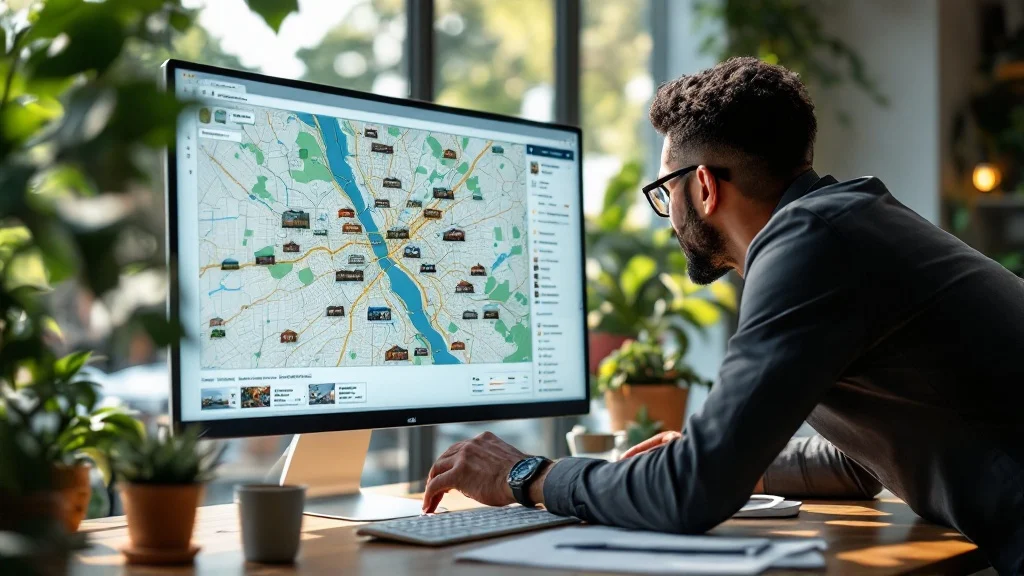
Phase 1: Cultural Asset Inventory
Start by documenting what makes your neighborhood culturally unique. This isn't about being "historic" or "charming" - it's about identifying specific cultural assets that differentiate you from every other St. Louis neighborhood.
Cherokee Street identified Latino culture and accessibility to arts. The Hill identified Italian heritage and food culture. Central West End identified sophistication and walkability. Each chose something they could own completely.
Phase 2: Digital Infrastructure Development
Create professional digital presence that tells your neighborhood's specific story. This includes a neighborhood website, social media accounts, and coordination with local business digital presence.
At St Louis Near Me Directory, we help coordinate business listings with neighborhood branding efforts. When individual businesses support the larger neighborhood narrative, everyone benefits from improved search visibility.
Phase 3: Content Marketing Strategy
Develop content calendars that reinforce your neighborhood's cultural identity while highlighting current businesses and events. Mix historical content with contemporary updates to keep your digital presence active.
Successful neighborhoods publish new content weekly, whether it's business spotlights, event announcements, or cultural heritage stories.
Phase 4: Community Engagement Systems
Build systems that encourage resident and business participation in brand building. This includes social media engagement, event coordination, and business collaboration programs.
The most successful neighborhood brands become community efforts rather than top-down marketing campaigns.
Measuring ROI: What Success Actually Looks Like
Real neighborhood branding success shows up in measurable economic and social outcomes, not just social media metrics.
Leading Indicators
Early signs of successful neighborhood branding include increased website traffic, social media engagement, and local media coverage. These metrics show growing awareness and interest.
Cherokee Street saw 200% increases in website traffic during their brand development period. The Hill's social media engagement rates consistently exceed city averages.
Economic Impact Metrics
Long-term success shows up in property values, business development, and tourism revenue. These metrics prove that branding efforts translate into real economic benefits for residents and businesses.
According to National Register of Historic Places research, neighborhoods with strong cultural identity see sustained economic development compared to areas without clear branding.
Community Cohesion Measures
Successful neighborhood branding also improves community engagement, with higher attendance at local events, increased volunteer participation, and stronger business-resident relationships.
Future Trends: What's Coming Next for STL Neighborhood Branding
The neighborhood branding landscape continues changing as new technologies and demographic shifts reshape how communities build and maintain their identities.
Voice Search Optimization
As voice search becomes more common, neighborhoods need to optimize for conversational queries like "Where can I find authentic Italian food in St. Louis?" or "What neighborhoods in St. Louis have the best art scenes?"
This requires different SEO strategies focused on natural language and question-based content rather than traditional keyword optimization.
Hyperlocal Social Commerce
Social media platforms increasingly support direct commerce, allowing neighborhood businesses to sell products and services directly through social posts. Coordinated neighborhood brands can create shared social commerce experiences.
Cherokee Street businesses already coordinate Instagram posts to create virtual art walks and shopping experiences.
Sustainability and Climate Adaptation Branding
Younger demographics prioritize sustainability and climate resilience when choosing where to live and spend money. Future neighborhood brands will likely incorporate environmental stewardship and climate adaptation into their cultural narratives.
Frequently Asked Questions
What makes Cherokee Street's branding strategy different from other St. Louis neighborhoods?
Cherokee Street built its brand around authentic Latino culture and community-generated content rather than top-down marketing. Local artists and business owners create most of their social media content, making the brand feel genuine and community-driven. They focus on accessibility and cultural authenticity rather than trying to attract upscale demographics.
How long does it take to see measurable results from neighborhood identity branding efforts?
Based on successful St. Louis examples, early digital engagement improvements appear within 3-6 months of consistent branding efforts. Property value impacts and business development typically show measurable changes after 18-24 months. Cherokee Street and The Hill both saw significant tourism increases within their first year of coordinated branding.
Can smaller St. Louis neighborhoods compete with established brands like The Hill or Central West End?
Yes, but they need to find their own unique cultural niche rather than trying to copy established brands. Dogtown built its brand around Irish heritage, while Benton Park focuses on Victorian architecture and young professional residents. Success comes from owning a specific cultural territory, not from having the biggest budget.
What's the biggest mistake neighborhoods make when starting branding efforts?
Most failed efforts start by promoting businesses instead of establishing cultural identity first. Without a clear cultural narrative, you just have a random collection of shops and restaurants. Successful neighborhoods identify what makes them culturally unique, then help businesses align with that narrative.
How do individual businesses participate in neighborhood branding without losing their own identity?
The best approach is finding ways your business story connects to the larger neighborhood narrative. An Italian restaurant in The Hill might highlight family immigration history, while a gallery in Cherokee Street might focus on supporting Latino artists. Your individual brand becomes part of the neighborhood story rather than competing with it.
📅 Upcoming Events & Webinars
Stay updated with our latest neighborhood identity branding STL events, workshops, and industry insights.
View Our Calendar →Related Resources
- St Louis Near Me Directory - Expert Resource
- neighborhood identity branding STL Data & Analysis
- neighborhood identity branding STL Presentation
- neighborhood identity branding STL Events
- neighborhood identity branding STL Resources
- neighborhood identity branding STL GitHub Resources
- neighborhood identity branding STL Blog Post
- neighborhood identity branding STL Service Area Map


No comments:
Post a Comment
Note: Only a member of this blog may post a comment.