
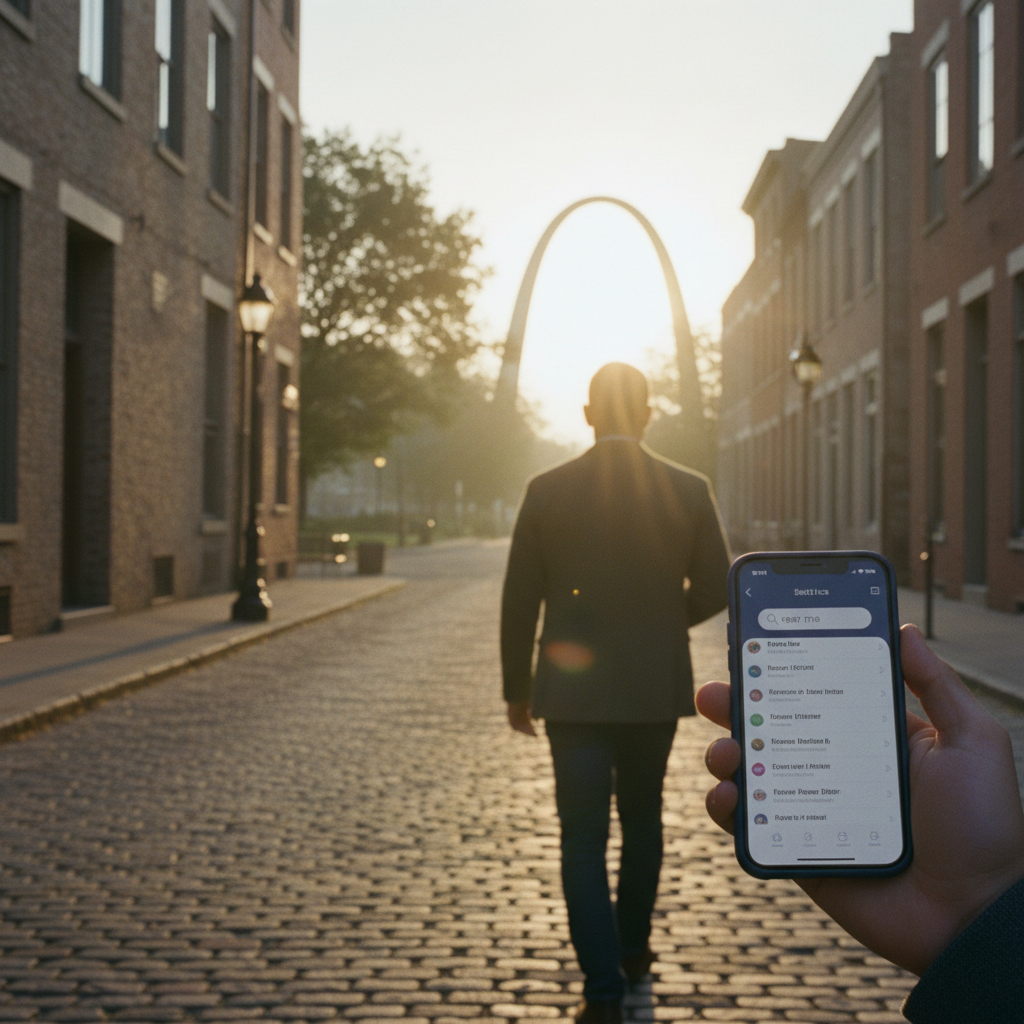
Historic District Business Marketing: Traditional vs Digital Comparison
Historic district businesses face a unique challenge that most marketing guides completely miss. While a restaurant in Clayton can rely on standard foot traffic and conventional advertising, businesses in St Louis Near Me Directory's historic districts like Soulard or Lafayette Square must balance preservation requirements with modern customer discovery. The question isn't whether traditional or digital marketing works better—it's understanding when each approach delivers real results and how they work together.
The Historic District Marketing Dilemma
Historic preservation commissions across Greater St. Louis maintain strict guidelines for business signage, storefront modifications, and exterior advertising. A boutique in the Central West End can't simply install a large LED sign or place sidewalk boards wherever they want. These regulatory constraints force historic district businesses into a marketing paradox: they need maximum visibility while operating under visual restrictions that limit traditional advertising methods. For example, the City of St. Louis Cultural Resources Office outlines specific requirements and design guidelines for alterations within historic districts, encompassing signage and exterior changes, as detailed on their official website (City of St. Louis, Cultural Resources Office - Historic Districts: Alteration and New Construction Guidance).


At St Louis Near Me Directory, we've tracked this challenge across multiple historic neighborhoods. Businesses spending $800-1,200 monthly on traditional print advertising often see minimal return because their target customers—both tourists and locals—aren't finding them through conventional discovery methods. The same businesses investing $200-400 monthly in targeted digital visibility through our directory platform typically see 3-5x better customer acquisition rates.
Traditional Marketing Methods: What Works and What Doesn't
Physical Signage and Print Advertising
Traditional methods still carry weight in historic districts, but with significant limitations. Print advertisements in tourism publications can reach heritage visitors effectively, especially during peak seasons. Historical society partnerships, such as those that engage with local historical societies (e.g., Missouri Historical Society), can provide credibility and connect businesses with engaged local audiences (Missouri Historical Society). However, these approaches may fall short in capturing spontaneous "near me" searches that are prevalent in local business discovery. The exact percentage of local business discovery driven by "near me" searches can vary, but it's widely recognized as a significant factor in consumer behavior.

Physical signage restrictions mean historic district businesses can't compete visually with chain restaurants along major corridors. A family-owned restaurant in Soulard might have excellent food but struggle against highly visible competitors just blocks away in unrestricted commercial zones.
Community Events and Local Partnerships
Historic districts excel at community-based marketing through festivals, walking tours, and cultural events. These activities build strong local relationships and create authentic word-of-mouth marketing. The challenge comes with scalability and measurement—it's difficult to track ROI from sponsoring a neighborhood festival or participating in a historic home tour.
Digital Visibility Strategies: The Modern Advantage
Search Engine Discovery and Directory Listings
Digital marketing solves the visibility problem that historic preservation guidelines create. When someone searches "restaurants near Lafayette Square" or "antique shops in Soulard," they're not seeing your beautiful storefront—they're seeing search results. Our directory platform addresses this gap by ensuring historic district businesses appear prominently in location-based searches.

The key difference: digital platforms aren't bound by physical space restrictions. A small boutique in the Central West End gets the same search result real estate as larger competitors, leveling the playing field in ways traditional advertising cannot match.
Google Business Profile Management
Historic district businesses need specialized Google Business Profile strategies that account for tourist traffic patterns and preservation context. Standard business hours might not reflect seasonal tourism fluctuations. Photo galleries should highlight both the business offerings and historic ambiance. Review management becomes particularly important since heritage tourists often research extensively before visiting.
Comparison Framework: ROI and Effectiveness Analysis
| Marketing Method | Monthly Investment | Customer Reach | Measurability | Historic District Suitability |
|---|---|---|---|---|
| Print Tourism Ads | $400-800 | Limited/Seasonal | Low | High for visitors |
| Physical Signage | $100-300 | Moderate | Low | Restricted by guidelines |
| Community Events | $200-600 | High/Local | Low | Very High |
| Directory Listings | $150-400 | High/Targeted | High | High |
| Google Business Profile | $100-250 | Very High | High | Very High |
The Integration Strategy: Best of Both Approaches
Smart historic district businesses don't choose between traditional and digital—they integrate both strategically. Community events and historical society partnerships build local credibility and authentic storytelling content. That content then gets amplified through digital channels to reach customers who discover businesses online first.
Our most successful clients use traditional methods to create authentic experiences and relationships, then digital platforms to scale that authenticity to broader audiences. A restaurant might sponsor a Soulard festival (traditional), then use professional photos and customer testimonials from the event to improve their Google Business Profile and directory listings (digital integration).
Seasonal Timing Considerations
Historic districts experience distinct seasonal patterns that affect marketing effectiveness. Tourism marketing works best from March through October, while local-focused digital marketing maintains consistency year-round. Winter months often require increased digital investment to compensate for reduced foot traffic and event opportunities.
Measuring Success in Historic District Marketing
Traditional marketing measurement relies heavily on observation and indirect indicators—festival attendance, walking tour participation, or general revenue increases during promotional periods. Digital marketing provides specific metrics: search result rankings, click-to-call rates, direction requests, and website visits from local searches.

The most valuable metric for historic district businesses is actually a combination: digital discovery leading to physical visits. Our analytics show that businesses with strong directory presence see 40-60% more foot traffic from "near me" searches, even when customers initially discover them online.
Common Implementation Mistakes
Historic district businesses often make three key errors when comparing marketing approaches. First, they treat traditional and digital methods as competing rather than complementary strategies. Second, they underestimate the time investment required for community-based traditional marketing while overestimating the complexity of digital visibility. Third, they fail to account for the unique discovery patterns of heritage tourists versus local customers.
The most expensive mistake: relying solely on charm and location. Historic districts attract curious visitors, but those visitors need to find you first. Beautiful storefronts mean nothing if potential customers drive past because they couldn't locate you through their preferred discovery method.
Frequently Asked Questions
Should historic district businesses focus more on tourists or locals?
Both audiences require different marketing approaches. Tourists respond well to traditional heritage marketing and online research before visiting. Local customers primarily discover businesses through "near me" searches and social recommendations. The most successful strategy targets both audiences with appropriate channels rather than choosing one over the other.
How do preservation guidelines affect digital marketing efforts?
Preservation guidelines don't directly impact digital marketing, which is a major advantage. While you can't install large exterior signs, you can dominate local search results and directory listings. Digital marketing actually becomes more important in historic districts because it compensates for physical advertising restrictions.
What's the minimum budget needed for effective historic district marketing?
A basic effective strategy requires $300-500 monthly: $150-250 for digital directory presence and Google Business Profile management, plus $150-250 for selective traditional marketing like community event participation or historical society membership. This combination provides both local visibility and community credibility.
How quickly can businesses see results from digital visibility efforts?
Directory listings and Google Business Profile improvements typically show measurable results within 30-60 days. Search ranking improvements and increased "near me" discovery happen faster than traditional marketing campaigns, which often require 3-6 months to build community awareness and relationships.
Do historic district businesses really need both traditional and digital marketing?
The most successful historic district businesses use both approaches strategically. Traditional methods build community credibility and authentic storytelling content. Digital methods ensure discoverability and provide measurable customer acquisition. Neither approach alone addresses all the unique challenges historic district businesses face.
📅 Upcoming Events & Webinars
Stay updated with our latest St. Louis Historic District Business Marketing Greater St. Louis Region events, workshops, and industry insights.
View Our Calendar →Related Resources
- St Louis Near Me Directory - Expert Resource
- St. Louis Historic District Business Marketing Greater St. Louis Region Data & Analysis
- St. Louis Historic District Business Marketing Greater St. Louis Region Presentation
- St. Louis Historic District Business Marketing Greater St. Louis Region Events
- St. Louis Historic District Business Marketing Greater St. Louis Region Resources
- St. Louis Historic District Business Marketing Greater St. Louis Region GitHub Resources
- St. Louis Historic District Business Marketing Greater St. Louis Region Blog Post
- St. Louis Historic District Business Marketing Greater St. Louis Region Service Area Map


No comments:
Post a Comment
Note: Only a member of this blog may post a comment.