

Heritage vs. Modern Business Branding: A St. Louis Historic District Battle
Walk down Cherokee Street or through the Central West End, and you'll witness a fascinating clash between heritage businesses clinging to traditional branding and new establishments that seem to intuitively understand modern consumer psychology. At St Louis Near Me Directory, we've observed this dynamic firsthand while helping both types of businesses improve their Local Visibility. The question isn't whether heritage businesses should abandon their legacy — it's how they can adapt modern strategies while preserving their authentic character.
The Modern Branding Playbook: What New Businesses Get Right
Modern St. Louis businesses approach branding with a digital-first mindset that heritage establishments often struggle to match. Take a new restaurant in the Grove district — they'll launch with Instagram-ready interiors, a consistent visual identity across all platforms, and content that tells stories rather than just lists services.
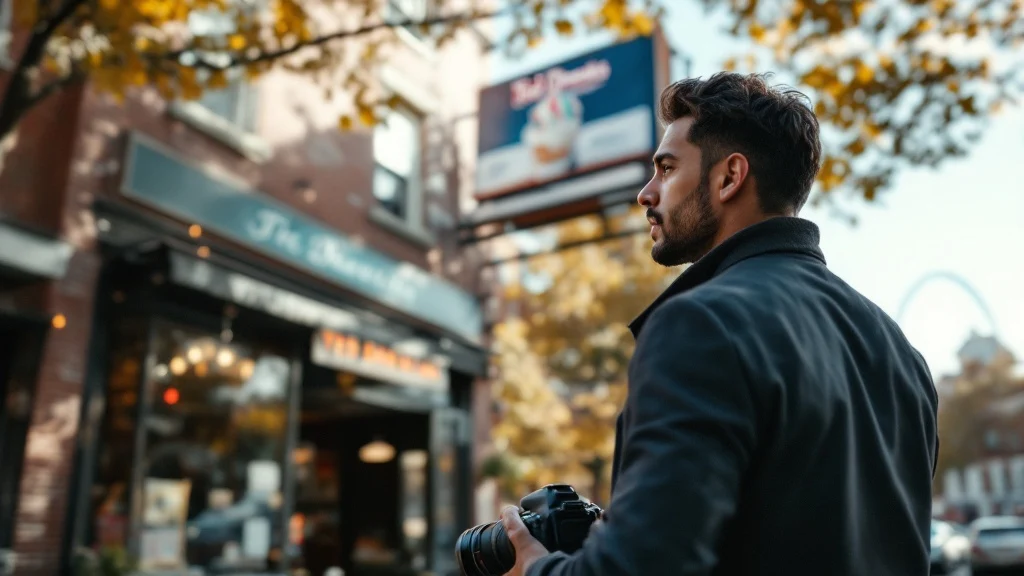

New establishments understand three key principles that heritage businesses can adapt:
- Visual Consistency Across Channels: Modern businesses maintain identical fonts, colors, and messaging whether you find them on Google, Facebook, or their storefront
- Story-Driven Content: Instead of "We've been serving St. Louis since 1985," they share behind-the-scenes content, customer experiences, and community connections
- Community Engagement: They actively participate in local conversations, collaborate with other businesses, and position themselves as neighborhood contributors, not just service providers
The reality is that modern branding succeeds because it prioritizes customer experience over business history. A craft brewery in the Delmar Loop doesn't just sell beer — they sell the experience of discovery, community, and local pride.
Heritage Business Challenges: Where Traditional Approaches Fall Short
Heritage businesses in St. Louis often face what we call "legacy brand paralysis." They've built their identity around longevity and tradition, but these advantages become weaknesses when poorly translated to modern marketing channels.

Common heritage branding missteps include:
- History-Heavy Messaging: Leading with "Established 1952" means nothing to a 28-year-old searching for lunch options on their phone
- Inconsistent Digital Presence: A beautiful brick-and-mortar location paired with a 2010 website and sporadic social media posts creates brand confusion
- Passive Community Engagement: Expecting reputation to carry the brand instead of actively building relationships with new generations of customers
Consider a family-owned hardware store on South Grand. Their 40-year reputation means everything to established customers but nothing to recent college graduates who've never heard of them. Without modern branding strategies, they're invisible to an entire demographic actively searching for local services.
Strategic Adaptation: Bridging Heritage and Modernity
The most successful heritage business transformations we've observed don't abandon their legacy — they reframe it for contemporary relevance. This requires a strategic approach that honors tradition while embracing modern consumer behavior.

Our Done-For-You Profile Setup process for heritage businesses focuses on three adaptation strategies:
- Legacy as Proof Point, Not Primary Message: Transform "We've been here 50 years" into "50 years of perfecting our craft" or "Trusted by three generations of St. Louis families"
- Digital Infrastructure Investment: Treat online presence as seriously as physical storefront maintenance — professional photography, consistent branding, and regular content updates
- Community Storytelling: Share the "why" behind business decisions, showcase employee expertise, and highlight customer relationships that span decades
A successful example might be Hodak's Restaurant, which could frame their longevity as "perfecting fried chicken since 1947" while showcasing modern food photography and engaging with younger customers through social media without losing their classic appeal.
Practical Implementation: The St. Louis Heritage Brand Framework
Based on our experience helping St. Louis businesses bridge this gap, here's a practical framework for heritage businesses looking to modernize without losing their identity:

Phase 1: Digital Foundation (Months 1-2)
- Professional photography that captures both heritage character and modern appeal
- Consistent visual identity across Google Business Profile, social media, and website
- Updated business descriptions that lead with value, not history
Phase 2: Content Strategy (Months 3-4)
- Behind-the-scenes content that showcases craftsmanship and expertise
- Customer story features that demonstrate multi-generational loyalty
- Educational content that positions the business as industry authority
Phase 3: Community Integration (Months 5-6)
- Active participation in local events and business networks
- Collaborative partnerships with complementary businesses
- Regular engagement with customer reviews and community feedback
The key insight here is that heritage businesses possess inherent authenticity advantages that modern businesses spend years trying to build. The challenge lies in communicating this authenticity through channels that resonate with contemporary consumers.
Measuring Success: Heritage Branding Metrics That Matter
Heritage businesses need different success metrics than startups. While new businesses might focus on viral growth and rapid customer acquisition, established businesses should measure brand modernization through sustained engagement and cross-generational appeal.
Key performance indicators for heritage business branding include:
- Age Demographic Expansion: Are you attracting customers under 35 without losing your established base?
- Digital Engagement Quality: Reviews, comments, and shares that reference both tradition and contemporary value
- Local Search Performance: Improved rankings for industry-relevant "near me" searches
- Referral Pattern Changes: New customers discovering you through digital channels rather than just word-of-mouth
Our Analytics and Reporting services help heritage businesses track these metrics without getting overwhelmed by vanity numbers that don't reflect real business impact.
Frequently Asked Questions
How do heritage businesses compete with modern branding without losing their identity?
Focus on reframing your legacy as expertise rather than just longevity. Instead of "We've been here 40 years," try "40 years of perfecting our craft" or "Trusted by three generations." Maintain your core values while adopting modern communication methods and visual consistency across all platforms.
What's the biggest mistake heritage businesses make when trying to modernize their branding?
Completely abandoning their heritage in favor of trendy design and messaging. Your history is an asset when properly positioned. The mistake is either hiding it entirely or leading with dates and timelines that mean nothing to new customers. Balance is key.
How long does it typically take for heritage businesses to see results from modern branding strategies?
Most heritage businesses see initial digital engagement improvements within 2-3 months of consistent implementation. However, meaningful demographic expansion and sustained cross-generational appeal typically develops over 6-12 months as new messaging and content builds awareness among younger consumers.
Should heritage businesses invest in social media if their current customers don't use it?
Yes, but strategically. Social media isn't just about your current customers — it's about the customers you haven't reached yet. Use these platforms to showcase your expertise and authentic character to demographics that might never discover you otherwise. Even limited, consistent presence can significantly impact local search visibility.
How do heritage businesses handle negative reviews that compare them unfavorably to modern competitors?
Address reviews professionally while highlighting what makes your approach unique. If someone criticizes your "outdated" atmosphere, respond by emphasizing authenticity, craftsmanship, or personalized service that chain competitors can't match. Use criticism as an opportunity to clarify your value proposition.
What role does Local SEO play in heritage business branding strategy?
Local SEO is critical because it helps heritage businesses appear in "near me" searches where their established reputation and authentic character can compete effectively against newer businesses. Proper optimization helps potential customers discover your heritage as a strength, not a limitation, when they're actively searching for local services.
📅 Upcoming Events & Webinars
Stay updated with our latest heritage business branding St Louis events, workshops, and industry insights.
View Our Calendar →Related Resources
- St Louis Near Me Directory - Expert Resource
- heritage business branding St Louis Data & Analysis
- heritage business branding St Louis Presentation
- heritage business branding St Louis Events
- heritage business branding St Louis Resources
- heritage business branding St Louis GitHub Resources
- heritage business branding St Louis Blog Post
- heritage business branding St Louis Service Area Map


No comments:
Post a Comment
Note: Only a member of this blog may post a comment.